Empowering Youth: Your Guide to Civic Engagement
Civic engagement is not just a buzzword; it is a vital part of a healthy democracy. Young people today have the power to shape their communities and influence the future. However, many feel disconnected from the political process or unsure of how to get involved. This guide aims to empower youth by providing practical steps to engage in civic activities, fostering a sense of responsibility and community.

Understanding Civic Engagement
Civic engagement encompasses a wide range of activities that allow individuals to participate in their community and influence decision-making processes. This can include:
Voting: The most direct way to influence government and policy.
Volunteering: Contributing time and skills to local organizations or causes.
Advocacy: Raising awareness about issues that matter to you and pushing for change.
Community organizing: Mobilizing others to work towards a common goal.
Why is Civic Engagement Important?
Engaging in civic activities helps young people:
Develop a sense of belonging and community.
Gain skills in leadership, communication, and critical thinking.
Understand the political system and how it affects their lives.
Influence policies that impact their future.
Getting Started with Civic Engagement
Identify Your Interests
The first step in becoming civically engaged is to identify what issues matter most to you. Consider the following:
What social issues are you passionate about? (e.g., climate change, education, social justice)
What skills do you have that could contribute to a cause? (e.g., writing, organizing events, public speaking)
Research Local Organizations
Once you have identified your interests, research local organizations that align with those issues. Many nonprofits and community groups welcome youth involvement. Look for:
Volunteer opportunities: Many organizations need help with events, outreach, and administrative tasks.
Internships: Some groups offer internships that provide hands-on experience in civic engagement.
Workshops and training: Many organizations provide training on advocacy, leadership, and community organizing.
Connect with Peers
Engaging with peers who share your interests can amplify your impact. Consider:
Joining clubs or organizations at school or in your community focused on civic engagement.
Attending local meetings or events to meet like-minded individuals.
Creating a group project or initiative that addresses a local issue.
Taking Action
Voting
One of the most powerful ways to engage civically is through voting. Here are steps to ensure you are prepared:
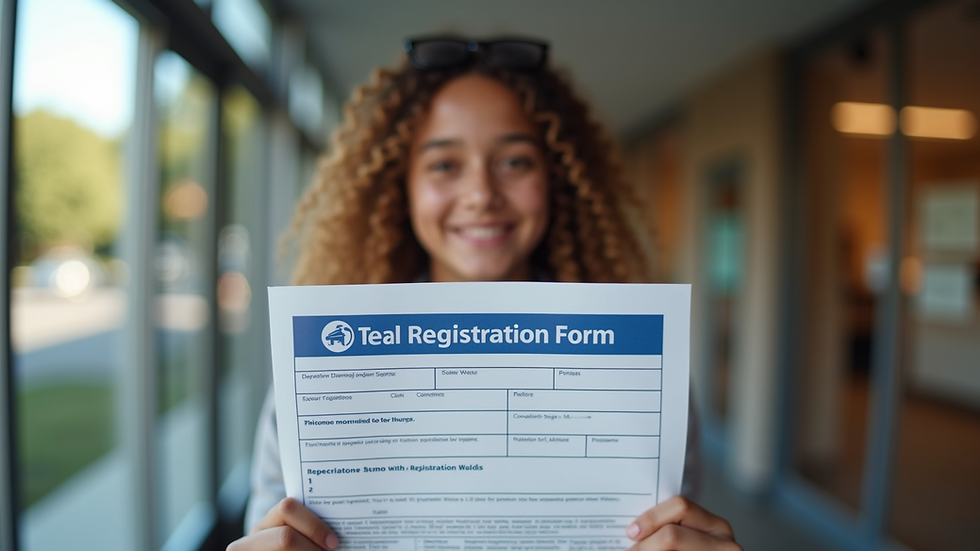
Register to vote: Check your eligibility and register ahead of time.
Educate yourself on candidates and issues: Research who and what will be on your ballot.
Participate in early voting or plan your voting day: Make a plan to ensure you can cast your vote.
Volunteering
Volunteering is a hands-on way to make a difference. Here are some ideas:
Local shelters: Help those in need by volunteering at homeless shelters or food banks.
Environmental groups: Participate in clean-up events or tree-planting initiatives.
Youth mentorship programs: Share your skills and knowledge with younger individuals.
Advocacy
Advocacy can take many forms, from writing letters to elected officials to organizing community events. Here’s how to get started:
Identify a cause: Choose an issue you are passionate about.
Research: Understand the current landscape and what changes are needed.
Create a campaign: Use social media, community events, or petitions to raise awareness.
Building Skills for Civic Engagement
Communication Skills
Effective communication is crucial for civic engagement. Here are ways to improve your skills:
Public speaking: Join a local Toastmasters club or participate in school debate teams.
Writing: Start a blog or write articles for local newspapers about issues you care about.
Networking: Attend community events to practice introducing yourself and discussing your interests.
Leadership Skills
Leadership is about inspiring others and taking initiative. Consider:
Taking on leadership roles: Volunteer to lead a project or organize an event.
Participating in leadership programs: Many organizations offer training for young leaders.
Mentoring others: Share your knowledge and experiences with peers or younger individuals.
Overcoming Barriers to Engagement
Addressing Common Concerns
Many young people face barriers to civic engagement, such as:
Feeling overwhelmed: Start small. Focus on one issue or organization at a time.
Lack of time: Look for flexible volunteer opportunities that fit your schedule.
Fear of not being heard: Remember that every voice matters. Start by sharing your thoughts with friends or family.
Finding Support
Seek support from mentors, teachers, or community leaders who can guide you in your civic journey. They can provide valuable insights and help you navigate challenges.
The Impact of Civic Engagement
Engaging in civic activities can lead to significant changes in your community. Here are a few examples:
Youth-led initiatives: Many communities have seen positive changes through youth-led projects, such as community gardens or awareness campaigns.
Policy changes: Young activists have successfully advocated for changes in local laws, such as increasing funding for schools or improving public transportation.
Increased voter turnout: Youth engagement in voting has been shown to increase overall voter turnout in elections.
Conclusion
Civic engagement is a powerful tool for young people to shape their communities and influence the future. By identifying your interests, connecting with peers, and taking action, you can make a meaningful impact. Remember, every small effort counts, and your voice matters. Start today, and empower yourself and others to create positive change in your community.
Engage, inspire, and lead the way to a brighter future!

Comments